Girl Power: How the Rise of the Woman Entrepreneur is Changing the Image of Success
By: Alannah DeLosa
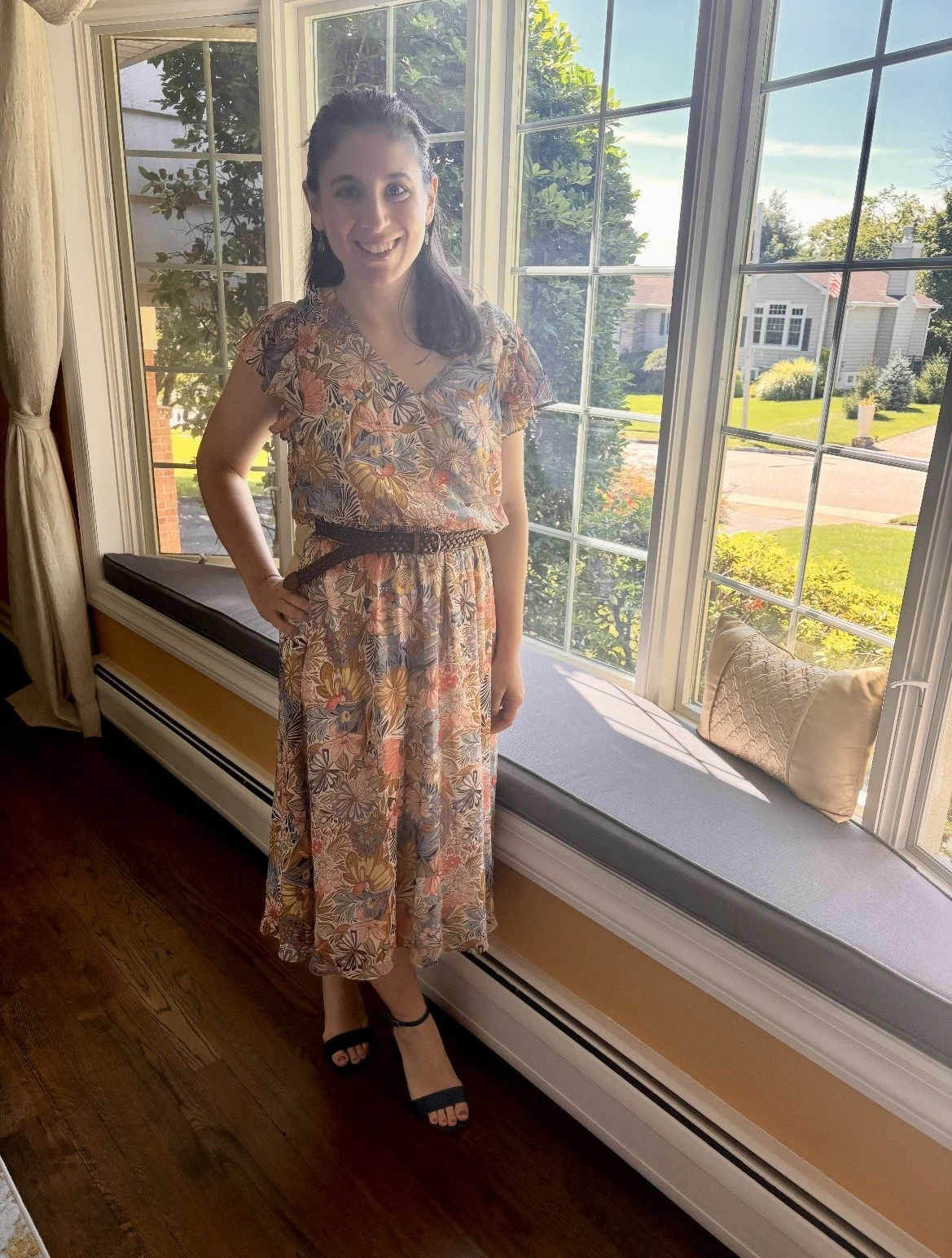
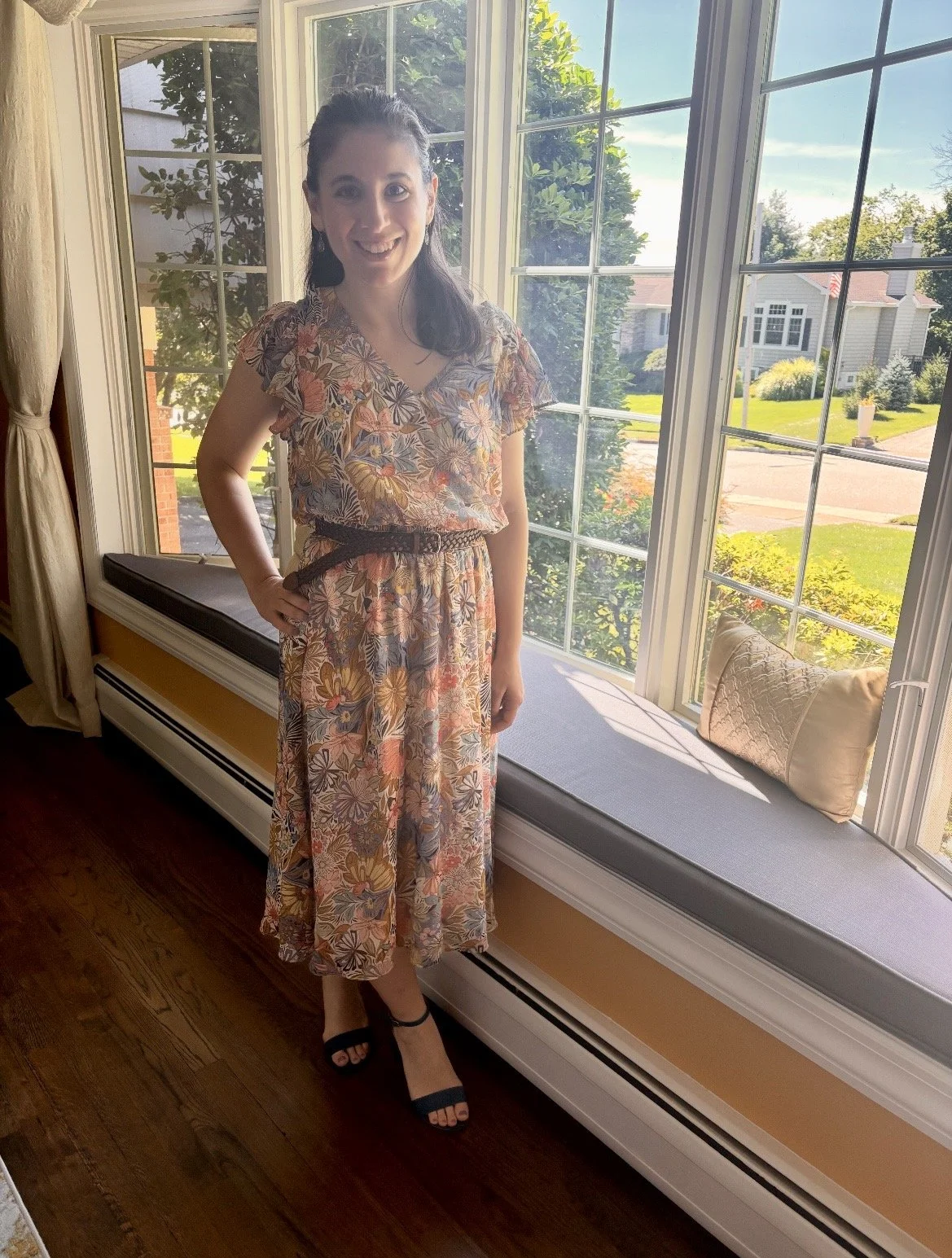
I have always been a feminine dresser. In kindergarten, I proudly wore Lisa Frank sneakers, and over a decade later, I excitedly wore a glittering, tiered tulle dress to my high school prom. To this day, my closet is full of floral patterned skirts. So when I first entered the workforce and learned blazers with exaggerated shoulders are standard women’s office wear, it rubbed me the wrong way. Why is emulating a masculine silhouette known as “power dressing”?, I wondered.
I’d soon learn that much of the advice for succeeding in the corporate world boils down to diminishing or abandoning qualities traditionally associated with femininity. For example, when seeking a job, you’re advised to highlight so-called “hard” skills, such as knowing Python, when writing your resume.”‘Soft” skills, like communication and collaboration—you know, the skills women are conditioned from birth to embody—are merely filler in case you don’t have the hard skills to fill two pages.
If your resume works and you’re invited for an interview, give the hiring manager a firm handshake. After all, a strong upper body (the average woman’s upper body strength is 25-55% of the average man’s) somehow indicates you know your way around an Excel spreadsheet.
This brand of sexism follows women all the way to the top of the career ladder. There’s a trope of the male startup founder beginning his day with a workout—a practice that helps him clear his mind, but also helps him stay conventionally good looking. This last part is, of course, never spoken aloud.
Women thought leaders discuss exercising too, because it’s acceptable to share. However, I’ve never seen a woman in the c-suite share that she enjoys sitting for her bi-monthly manicure—another opportunity to clear one’s head of work related thoughts while maintaining a conventionally attractive appearance. I'm sure many high achieving women do relish the temporary break from back to back meetings and general responsibility a manicure provides. Despite this, they might hesitate to admit it because enjoying a manicure is woman-coded, and therefore, frivolous and vain.
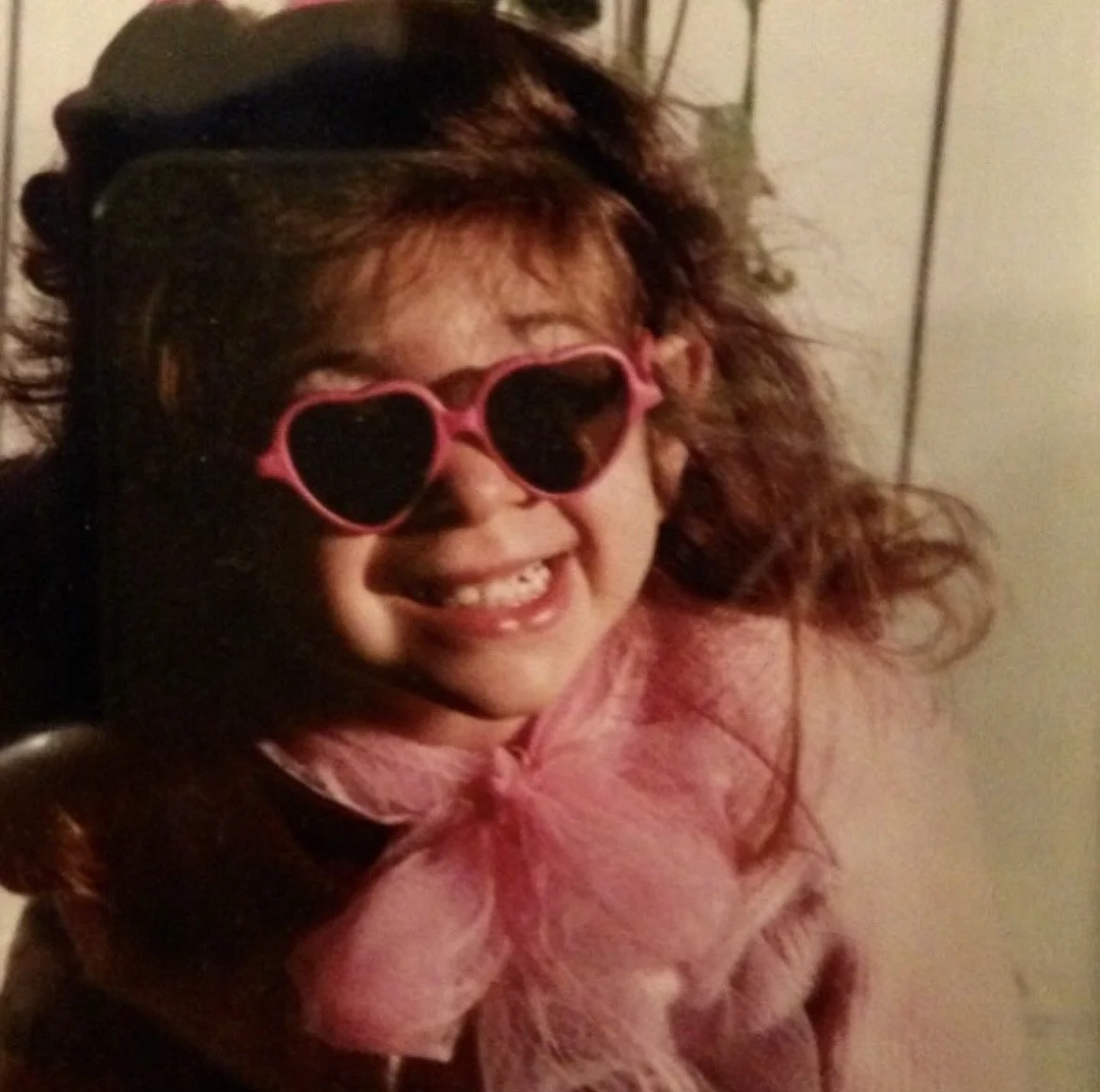
Little Alannah cheesing for the camera.
I hate to bring it up, because it’s so cringe inducing, but are you familiar with the 1994 CBS interview in which Bill Gates jumps over a chair like a little boy? Can you imagine a world in which a woman CEO/founder, say, pretended to be a unicorn (or something similarly expected from a little girl), and maintained Bill Gates’ level of respect and success afterward? (Until recent personal associations came to light.)
Since having my daughter, I’ve spent a shameful amount of time on parenting subreddits. Even Reddit, which has a reputation for attracting those with progressive views, bears evidence that society’s narrow, masculine leaning definition of success has bled into our personal anxieties and resentments. In a subreddit dedicated to baby names, one Redditor asks if naming their child a classic woman’s name ending in ‘a’ would prevent her from growing up and becoming a respected doctor. In another, a working mom complains that a stay at home mom who “does nothing all day” had the audacity to ask her for a favor. While we have become better at identifying toxic masculinity, we tend to overlook casual misogyny.
I’m not typing this on the spine of my high horse. I once texted my former coworker to ask if she mentions she’s a mother during job interviews. She replied with an emphatic, “Yes!”, as all mothers should. It strikes me as ironic that while preparing for a meeting dedicated to discussing my wins, I thought twice about mentioning my proudest achievement. I feel guilty and wonder if my hesitancy to mention motherhood, a key part of my identity, means I am part of the problem. Or, like the Redditor concerned that a classically feminine name might hinder their daughter’s career growth, was I simply being pragmatic? In any case, I don’t imagine fathers have these thoughts or conversations.
As the proud mother of a little girl (not a #girlmom, that’s for another essay!), it’s heartening to learn that 49% of new businesses are woman-owned. The more women we see in positions of power, the more we’re exposed to diversity of thought, aesthetic, behavior, and personality.
They won’t all wear floral skirts, or openly enjoy manicures. That’s the point. I hope this growing percentage of women leaders models success in more than one form. My daughter and her peers might learn you can be feminine without being frivolous. Playful and still taken seriously. Authentic and also equal.
About the Author
Alannah DeLosa is a content specialist with over a decade of experience writing for a diverse array of audiences, industries, and channels. When she isn’t behind a screen, Alannah can most likely be found on a walk with her family, drinking a Diet Coke.